

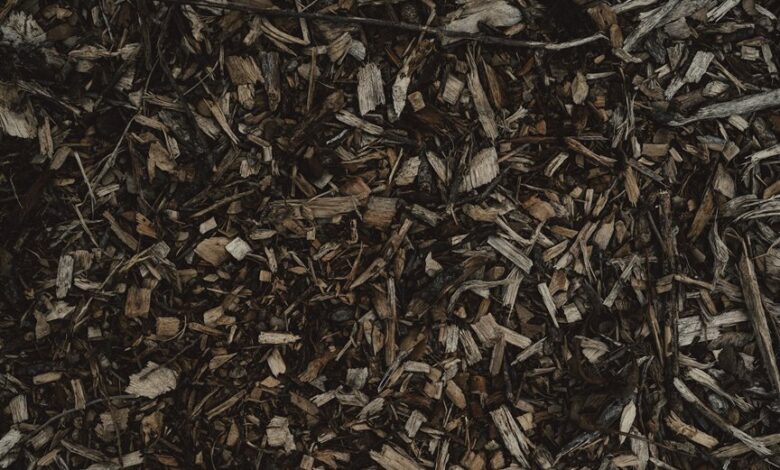
Soil structure improves when organic matter acts as a binder and pore former, creating stable aggregates and better air–water movement. Compost adds stable organics and diverse microbes, applied timely and at appropriate rates. Mulch and biomass layers regulate moisture and porosity as they turnover. Deep-rooting cover crops break compacted subsoil, enhancing infiltration and nutrient access. Mineral amendments like biochar and rock dust offer stability and buffering, but results depend on feedstock, size, and soil type. The next step clarifies how to apply these ideas effectively.
Why Organic Matter Improves Soil Structure
Organic matter improves soil structure by enhancing aggregate formation and stability. In this view, organic matter acts as a binder and pore former, guiding aggregation and sustaining porosity. These processes create channels for air and water movement, shaping drainage and root access. The result is improved soil structure, with greater resilience and a freer, more adaptable soil profile for growth.
Build Soil With Compost: Practices That Work
Composting is a practical route to improve soil structure by supplying stable organic matter and diverse microbial communities.
Build soil with compost through disciplined routines: timely application, appropriate rates, and thorough mixing.
Use mature, well‑broken material to accelerate integration.
Monitor moisture and aeration to prevent compaction.
Clear objectives guide compost practices and support soil structure without risking nutrient imbalances.
Cover Crops and Green Manures for Deep Roots
Cover crops and green manures cultivate deep-rooting systems that improve soil structure by penetrating compacted layers and enhancing subsoil porosity. They encourage resilience through sustained aeration and drainage. Deep roots access nutrients while fostering organic matter input. The practice supports soil structure, reduces crusting, and stabilizes aggregates, enabling better water infiltration and root penetration for future crops. cover crops, green Manures, deep roots, soil structure.
Mulch and Biomass Management for Moisture and Porosity
Mulch and biomass management enhances soil moisture retention and porosity by moderating surface temperature, reducing evaporation, and supplying steady organic inputs.
This approach supports mulch strategies that layer residues to conserve water, moderate soils, and encourage surface structure.
Biomass turnover supplies consistent inputs, sustaining porosity and microbial activity while avoiding excessive buildup.
Careful timing and material selection maximize efficiency and freedom in cultivation.
Biochar, Rock Dust, and Mineral Amendments for Stability
Biochar, rock dust, and mineral amendments offer durable benefits for soil stability by enhancing cation exchange capacity, buffering pH fluctuations, and increasing aggregate strength. These additives support long-term structure without excessive input.
Biochar efficiency varies with feedstock and conditions, while rock dust impact depends on particle size and soil type. Together they promote resilience, efficiency, and freedom in sustainable land management.
Frequently Asked Questions
How Quickly Does Organic Matter Improve Soil Texture?
The rate varies with conditions, but organic matter gradually improves soil texture over months to years. In discussion ideas, Organic matter influences texture; Soil texture, rate depends on climate, soil type, and management, with measurable changes emerging over time.
Can Organic Matter Raise Soil pH Significantly?
Like distant tides, organic matter interactions influence soil pH dynamics modestly; it does not raise pH dramatically. Substantial shifts require lime or fertilizers, while organic matter modulates buffering, texture, and nutrient availability within gradual, nuanced soil pH dynamics.
Which Crops Release the Most Root Exudates?
Legume attractors often release rich root exudate profiles, making them strong candidates for nutrient cycling. Among crops, legumes show prominent exudates; however, exudate profiles vary by species and growth stage, influencing microbial communities and soil structure outcomes.
Do Organic Amendments Affect Soil Salinity?
In allegory, a careful gardener notices that organic amendments can lessen soil salinity by binding salts and improving structure, though effects vary. The conclusion: elevated salts may persist; proper dosing and leaching govern sustainable soil salinity management.
Is There a Downside to Over-Adding Organic Matter?
Over-adding organic matter carries risks: over application risks include nutrient imbalances and reduced aeration, while long term dependence may develop as soils rely on amendments rather than native processes. Careful management prevents diminishing returns and maintains soil resilience.
Conclusion
In the field, organic matter builds a living lattice that steadies soil like a sleeping giant. Compost releases a slow, steady hum of microbial activity, while mulch breathes moisture in and out, weaving pore spaces as a craftsman weaves brick. Deep roots pry open the hardpan, inviting water and air to flow. Biochar and minerals stand guard, stabilizing the texture. Together, these elements compose a resilient, fertile tapestry that sustains crops and soil alike.