
How to Choose Camera Lenses for Different Photography Styles: Key Tips and Considerations

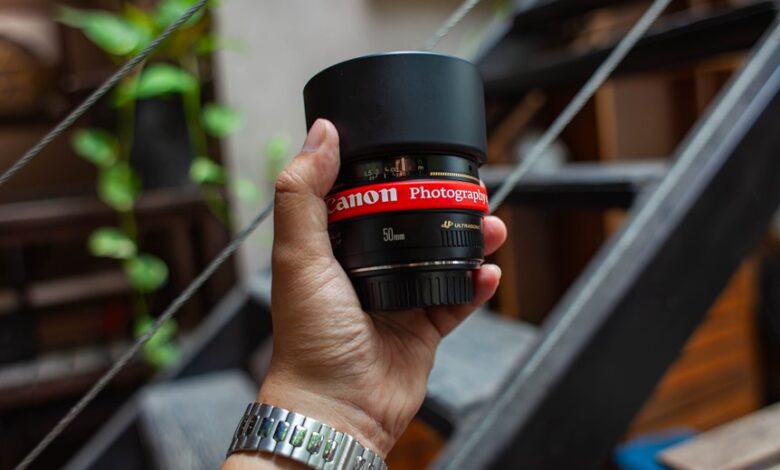
Choosing camera lenses for different styles requires mapping subject distance, field of view, and expected framing to focal lengths that offer consistency and practicality across scenes. Aperture choices must align with lighting and depth goals while preserving sharpness and background separation. The process also weighs distortion, weight, and budget, favoring reliable third‑party options. Each style—landscape, portrait, street, macro—demands purpose‑driven optics and modular kits that remain compatible across bodies and upgrades, ensuring framing stability as gear evolves, even as questions about trade‑offs remain.
How to Evaluate Lens Focal Lengths for Each Style
Evaluating focal lengths for each photography style requires straightforward mapping between subject distance, field of view, and expected framing.
The analysis emphasizes consistency, reproducibility, and practical selection criteria.
For versatility, consider how focal length affects perspective and composition while maintaining lighting adaptability across scenes.
In practice, note standard ranges per style, ensuring accurate, repeatable results without unnecessary complexity.
Matching Apertures to Lighting and Depth Needs
Aperture selection directly affects exposure, depth of field, and subject separation, bridging the lens’s focal length choices with the lighting and scene requirements established previously.
Aperture choices modulate bokeh vs sharpness, balancing background isolation against detail in the subject.
f number implications guide exposure control, dynamic range, and motion capture, ensuring consistent results across varying light without sacrificing creative intent or freedom.
Minimizing Distortion, Weight, and Budget Trade-Offs
How can photographers reduce distortions, manage weight, and keep costs in check without compromising image quality?
Minimizing distortion requires selecting lenses with low-cheat correction, or using corrections in post when necessary.
Weight-aware choices favor compact primes or mid-range zooms.
Budget trade offs favor third-party options with proven compatibility; verify lens compatibility with camera bodies and existing filters, mounts, and stabilization systems.
Practical Choices by Photography Style: Landscapes, Portraits, Street, Macro, Wildlife
Practical choices for each photography style hinge on matching lens characteristics to typical subject matter and working conditions, while considering prior concerns about distortion, weight, and budget. Landscapes favor wide to standard zooms for depth and edge-to-edge sharpness; macro requires close focus, high magnification, and stable optics; portrait street balance focal length, background isolation, and portability. Landscape macro, portrait street: select purpose-driven optics.
How to Assemble a Versatile Kit: Workflow, Compatibility, and Future-Proofing
Assembling a versatile kit hinges on aligning workflow, compatibility, and future-proofing to support a broad range of subjects with minimal gear changes. The approach prioritizes modular components, interoperable mounts, and durable build quality, enabling rapid lens swaps and efficient backups.
Emphasize lens maintenance, verify sensor compatibility, and plan firmware-aware upgrades to preserve performance across evolving camera bodies and styles.
Frequently Asked Questions
How Do Lens Coatings Affect Image Color and Flare in Practice?
Lens coatings reduce flare and maintain neutral image color under varying light, while selectively enhancing contrast. In practice, coatings influence flare control and color rendition by absorbing stray wavelengths, improving contrast without introducing color casts across diverse shooting conditions.
Can Older Lenses Outperform New Ones in Certain Styles?
Older lenses can outperform new optics in certain styles due to unique rendering and character; old glass often excels with vintage drama, while modern design prioritizes sharpness. Trade-offs include coatings, flare control, and compatibility with newer bodies.
What Is the Longevity of Lens Autofocus Vs Manual Focus in Action Shots?
“Time and tide wait for no one.” Autofocus longevity in action shots varies by system; modern lenses offer rapid AF with high reliability, while manual focus reliability remains excellent for predictability and critical framing in challenging light or subjects.
Do Third-Party Lenses Retain Resale Value Better Than Native Ones?
Third-party lenses generally retain resale value more variably than native ones, depending on brand and model; native resale value often benefits from official support and smoother compatibility, whereas third party resale value can be strengthened by price competitiveness and availability.
How Do Weather-Sealed Lenses Fare in Extreme Environments?
Weather sealed durability varies by model, but generally holds up under dust, rain, and splashes; extreme environment testing shows seals degrade slowly under prolonged submersion. Proper care extends longevity, though independent seals may failearlier in harsh conditions.
Conclusion
A concise, technical close emphasizes consistent decisions over impulse. Lens selection should align with subject distance, framing, and lighting, then test for distortion, weight, and budget impact. Build a modular kit anchored by a reliable standard zoom and a fast prime, with complementary specialty lenses for each style. Prioritize compatibility and future-proofing to preserve framing across bodies. In practice, plan for versatility: adapt, don’t duplicate. As the adage goes, “Right tool for the right job.”