
Enterprise Metrics Dashboard: 6163306271, 911787298, 3069860020, 943413900, 120630055, 965935949

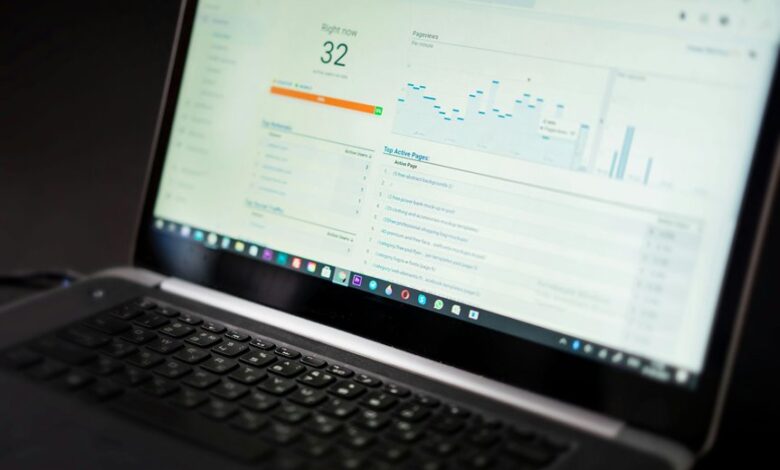
The Enterprise Metrics Dashboard, identified by numbers such as 6163306271 and 911787298, plays a crucial role in performance management. This tool consolidates key performance indicators, facilitating trend identification and decision-making. Organizations that leverage this dashboard can enhance operational efficiency and foster a data-driven culture. However, the successful implementation and utilization of such a dashboard require adherence to specific best practices. Understanding these dynamics is essential for maximizing its potential.
Understanding Key Performance Indicators
Key Performance Indicators (KPIs) serve as essential metrics for assessing an organization’s performance and guiding strategic decision-making.
A clear KPI definition allows for effective metric analysis, which supports performance tracking and ensures goal alignment.
Organizations can utilize KPIs to identify strengths and weaknesses, enabling them to make informed decisions that foster growth and autonomy, ultimately leading to enhanced operational efficiency and effectiveness.
Benefits of Implementing an Enterprise Metrics Dashboard
An enterprise metrics dashboard provides a centralized platform for organizations to visualize and analyze their performance data effectively.
The dashboard advantages include enhanced performance tracking, allowing teams to identify trends and make informed decisions swiftly.
Best Practices for Utilizing Metrics Effectively
Effective utilization of metrics is vital for maximizing the benefits derived from an enterprise metrics dashboard.
Employing best practices such as metrics visualization enhances comprehension and decision-making. Ensuring data accuracy is essential, as it underpins reliable insights.
Regularly reviewing metrics and aligning them with strategic goals fosters a proactive approach, empowering stakeholders to act on data-driven insights while maintaining organizational freedom and flexibility.
The Impact of Data-Driven Decisions on Business Growth
As organizations increasingly rely on data to guide their strategic initiatives, the influence of data-driven decisions on business growth becomes increasingly apparent.
Effective data analysis enhances decision making, allowing businesses to identify trends, optimize operations, and allocate resources efficiently.
This analytical approach not only fosters innovation but also drives sustainable growth, ultimately empowering organizations to adapt and thrive in a competitive landscape.
Conclusion
In conclusion, the Enterprise Metrics Dashboard serves as an essential compass for organizations navigating the complexities of modern business. By effectively harnessing key performance indicators, stakeholders can make data-driven decisions that propel growth and enhance operational efficiency. Just as a medieval knight relied on a map to chart a safe course through uncharted territories, businesses today must embrace such tools to ensure they remain competitive and aligned with their strategic objectives in an ever-evolving marketplace.