
Strategic Analytics Overview: 120791068, 1144409934, 501178900, 685714390, 971571576, 689680245

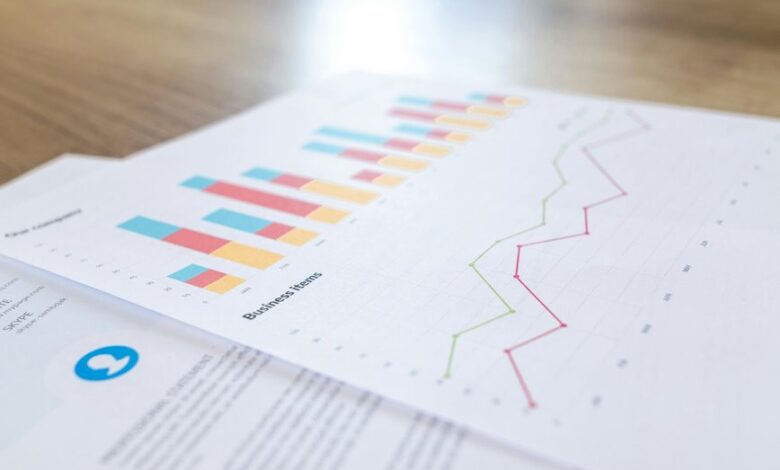
Strategic analytics serves as a crucial framework for organizations aiming to harness data for informed decision-making. By employing methodologies like predictive modeling and data visualization, businesses can better understand trends and simplify complex information. This analytical approach not only enhances operational efficiency but also equips decision-makers with essential tools for navigating market uncertainties. The subsequent sections will explore specific methodologies and their implications for business outcomes, revealing the transformative power of strategic analytics.
Understanding Strategic Analytics
Strategic analytics serves as a critical framework for organizations aiming to leverage data-driven insights to inform decision-making processes.
By employing data visualization techniques, entities can effectively interpret complex datasets, enhancing clarity and engagement.
Furthermore, predictive modeling applications allow organizations to forecast trends and behaviors, enabling proactive strategies.
This dual approach fosters an environment where informed choices lead to greater autonomy and success.
Methodologies in Strategic Analytics
While various methodologies exist within the realm of strategic analytics, each plays a pivotal role in transforming raw data into actionable insights.
Predictive modeling enables organizations to forecast future trends, while data visualization enhances comprehension of complex datasets.
These methodologies not only facilitate informed decision-making but also promote a culture of analytical thinking, empowering stakeholders to harness data effectively for strategic advantages.
Case Study Analysis
Case study analysis serves as a practical application of the methodologies discussed in strategic analytics, demonstrating how theoretical frameworks can be implemented to address real-world challenges.
Utilizing case study frameworks allows for systematic data interpretation, enabling analysts to extract meaningful insights. This approach fosters a deeper understanding of complex issues, empowering decision-makers to navigate uncertainties with informed strategies that promote autonomy and adaptability.
The Impact of Strategic Analytics on Business Outcomes
As organizations increasingly rely on data-driven decision-making, the impact of strategic analytics on business outcomes becomes increasingly evident.
Strategic analytics enables companies to identify trends, optimize processes, and enhance performance improvement. This analytical approach fosters informed decisions, leading to better resource allocation and increased efficiency.
Ultimately, embracing strategic analytics equips businesses with the tools necessary to thrive in a competitive landscape.
Conclusion
In conclusion, strategic analytics serves as a crucial framework for organizations seeking to leverage data for informed decision-making. By employing predictive modeling and data visualization, businesses can significantly enhance their operational efficiency. Notably, organizations that utilize analytics effectively can experience a 5-6% increase in productivity, illustrating the tangible benefits of a data-driven approach. As companies continue to navigate complex market dynamics, the integration of strategic analytics will remain essential for optimizing performance and resource allocation.