

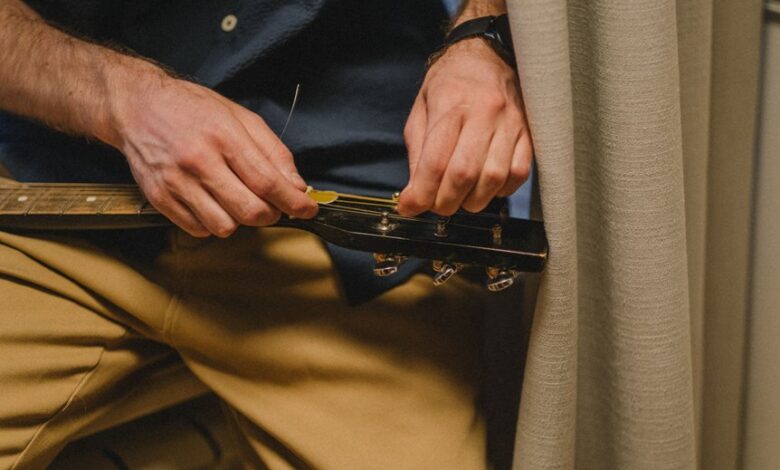
Restringing costs vary by guitar type and setup, with modest fees for common electric or acoustic work and higher prices for classical strings or specialized hardware. Material choice (nickel, phosphor bronze, nylon, or wound strings) and gauge affect the total, as does labor time for trem systems, nut seating, and precise intonation. Budget options exist, but prudent shop selection and a straightforward setup can preserve tone—yet a few details can shift the final figure more than expected.
What’s the Typical Price Range by Guitar Type
Guitar restringing costs vary by instrument type due to differences in string materials, neck tension, and hardware. Typical ranges reflect body size and scale: electric guitars often fall between moderate fees, while acoustics and classical models vary with nylon versus phosphor bronze and wrapped strings.
Guitar upkeep influences timing; restringing cadence guides scheduling, not just price, in professional routines.
Factors That Push Costs Up or Down
Several factors can push restringing costs up or down, with material quality, labor complexity, and instrument design driving most of the variation. High end materials influence string stiffness and durability, while intricate tuners, bound necks, or tremolo bridges raise labor time. Customer wait times can reflect technician workload and parts sourcing, subtly shifting quoted totals without altering core service scope.
How to Save on Restringing Without Losing Tone
Options to reduce restringing expenses without sacrificing tone hinge on choosing appropriate strings, gauges, and installation practices. The approach emphasizes consistent string winding, correct intonation, and careful nut and bridge seating. Maintenance practices extend life without tonal loss. Two word discussion idea 1, two word discussion idea 2, provide concise guidance on material selection and technique that supports budget care and professional sound.
How to Choose a Shop or Service Level for Your Budget
When evaluating restringing needs in light of cost considerations, selecting a shop or service level requires aligning options with the specific budget and reliability requirements. A clear assessment weighs tone vs setup implications, balances shop reputation with pricing strategies, and tests transparency.
The optimal choice emphasizes measurable value, consistent workmanship, and flexible service tiers, ensuring predictable results without compromising instrument integrity or freedom of expression.
Frequently Asked Questions
Do Local Shops Offer Price Quotes Over the Phone?
Local shops typically provide price quotes via phone estimates; some offer precise figures after a brief assessment. The practice varies, but callers should expect a straightforward quote, contingent on string type, guitar model, and service complexity.
Is Restringing a Guitar With Nylon Strings Different in Cost?
Coincidence strikes: nylon restringing often costs more than steel due to material and specialized setup; guitar maintenance suggests variable pricing by string brands and service, with factors like tension and peg work influencing the final bill.
How Often Should I Restring for Best Tone?
Restringing frequency depends on play style and environment; how often to restring for best tone varies. For occasional players, every 6–12 months; frequent players may do 3–6 months. Environmental factors accelerate changes, impacting best tone.
Do Refrets or Setups Affect Restringing Costs?
Restringing costs are modestly impacted by refrets and setups; refret impact raises labor due to fret leveling, while setup influence adjusts technician time for intonation and action. Precision matters; freedom seekers should budget for minor, variable fees.
Are There DIY Risks That Could Increase Total Expense?
DIY risks exist and could raise total expense, as mistakes may damage the neck or hardware. Tool costs matter; initial purchases can be substantial, but reusable. A cautious approach limits downstream regret, preserving instrument value and performance.
Conclusion
Restringing costs vary with guitar type, string material, and required setup. Typical ranges span economy electronic/standard acoustic jobs to higher-priced classical or lock-in trem systems with precise intonation. Labor time, nut seating, and preferred gauge affect final pricing. Shop choice—flat-rate vs. by-string, DIY potential—also matters. Example: a semi-hollow guitar with nickel 10-46 strings and a basic nut inspection might cost $40–60, while a full setup on a Floyd Rose system could reach $120–180. Practical budgeting aligns service level with tonal goals.