
Global Identity Verification Index – 254660473, 262675594, 278014911, 295205521, 778612100, 781566800, 887831407, 1020789866, 1300221642, 1300303784

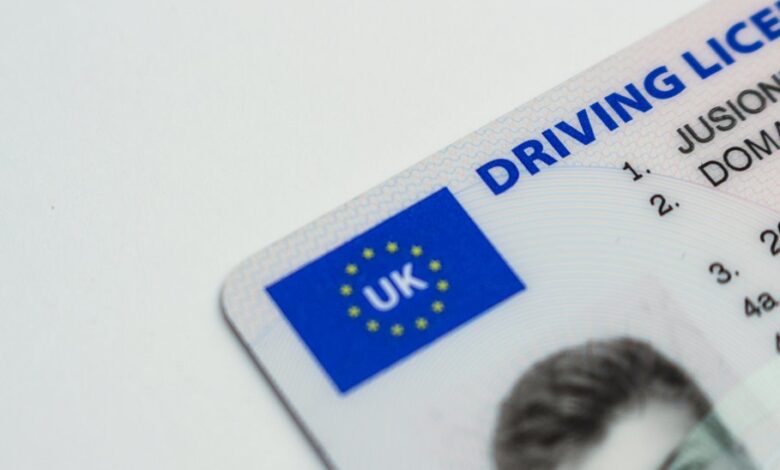
The Global Identity Verification Index compares ten identifiers to gauge enrollment rigor, verification methods, and governance controls across jurisdictions. It emphasizes privacy-preserving, risk-based approaches, auditability, and data minimization while weighing security against innovation. The snapshot highlights policy gaps, cross-border compliance hurdles, and the potential for interoperable, scalable identity ecosystems. The implications for platforms and regulators are significant, hinting at what remains to be resolved as the landscape evolves.
What the Global Identity Verification Index Measures
The Global Identity Verification Index measures the effectiveness, scope, and reliability of identity proofing systems across different jurisdictions and sectors. It analyzes governance, risk controls, and operational transparency to identify policy implications. The focus includes compliance gaps and data minimization, ensuring safeguards without stifling legitimate innovation. Results guide targeted improvements balancing security, privacy, and personal freedom.
How the Ten IDs Stack Up on Enrollment and Verification Rigor
How do the Ten IDs compare in enrollment and verification rigor across jurisdictions and use cases? The index reveals divergent enrollment gatekeepers and verification methods, balancing efficiency with accuracy. Policy emphasis centers on standardized identity proofs, risk-based checks, and auditability. Privacy tradeoffs and cross border compliance shape design choices, guiding harmonization while preserving user autonomy and legitimate privacy protections.
Fraud Resilience and User Trust: Trends Across the Snapshot
Fraud resilience and user trust emerge as the practical corollaries of the Ten IDs’ enrollment and verification rigor across jurisdictions.
The snapshot reveals nuanced risk dynamics, where robust identity checks limit leakage while exposing friction points for legitimate users.
Data privacy and cross border norms shape enforcement incentives, informing policy calibrations that balance security with accessible, trusted digital participation.
Practical Takeaways for Platforms and Policymakers
Practical Takeaways for Platforms and Policymakers: The integration of robust enrollment and verification across jurisdictions yields clear guidance for design choices and governance frameworks.
This analysis emphasizes scalable, privacy-preserving architectures, concrete risk-based controls, and transparent audits.
It highlights privacy gaps and regulatory alignment as central concerns, urging harmonization without compromising innovation or user autonomy.
Strategic interoperability enhances resilience and public trust.
Frequently Asked Questions
How Frequently Is the Index Updated and by Whom?
The index updates quarterly via a centralized governance body, ensuring transparency and accountability. This update cadence aligns with data governance standards, enabling timely revisions while preserving methodological rigor for stakeholders seeking policy-driven insight and freedom through clarity.
What Is the Regional Representation of the Sample IDS?
Regional representation shows uneven coverage, suggesting enrollment rigor varies by jurisdiction; the sample skews toward certain regions, while underrepresented areas reveal gaps. This supports testing hypotheses about regional representation affecting enrollment rigor and policy outcomes.
How Does the Index Define Enrollment and Verification Rigor?
Enrollment and verification rigor are defined through standardized thresholds, audit trails, and multi-factor assessments, ensuring both accessibility and security. The index emphasizes enrollment rigor as foundational and verification rigor as ongoing, policy-aligned, audit-backed safeguards for stakeholders.
Are There Any Ethical Considerations Highlighted in the Study?
Ethical considerations and data privacy are foregrounded, with rigorous, policy-driven analysis noting potential harms, consent limitations, and governance gaps. The study emphasizes transparent data handling, risk mitigation, and rights-respecting frameworks to balance innovation and individual freedoms.
How Is User Trust Quantified in the Index?
User trust in the index is quantified through performance metrics tied to data transparency and bias mitigation, evaluating reliability, verifiability, and stakeholder confidence, while maintaining rigorous, policy-driven analysis that respects audience autonomy and freedom.
Conclusion
The Global Identity Verification Index provides a disciplined, policy-forward view of how enrollment, verification, and governance interlock to create resilient identity ecosystems. Across the ten identifiers, consistent emphasis on privacy-preserving, auditable, and data-minimizing approaches shapes credible risk-based outcomes. An anecdote: a platform that reduced onboarding friction by 30% while tightening fraud controls illustrates that rigorous governance can enable faster, safer participation. Overall, the snapshot underscores actionable gaps and scalable paths for interoperable, trusted identity ecosystems.